Accessible Nature Photography Routes Near British Train Stations
Purfleet-on-Thames to RSPB Rainham Marshes: Estuary Light Within Easy Reach
Attenborough Station to Attenborough Nature Reserve: Quiet Waters, Big Skies
Route overview and access notes
Wildlife encounters and lens choices
Comfort, timing, and peaceful hides

Silverdale Station to RSPB Leighton Moss: Reeds, Rails, and Red Deer
Getting in and around with confidence
Most primary paths are compacted and well-drained, supporting wheelchairs and mobility scooters, though a few spurs can narrow near water edges. Hides feature generous apertures for long lenses, and staff publish access updates when works or weather change conditions. Bring layers, gloves for metal rails, and a small blanket for lap warmth during still sessions. The last hundred meters to certain viewpoints may require careful steering, yet rewards include open reed clearings where flight paths predictably arc above your chosen frame.
Light, sound, and the storytelling frame
Bittern calls carry like distant drums, setting a rhythm for slow shutters that translate movement into painterly lines. Backlit reeds at sunrise become filigree, while flat midday light invites high-key studies of silhouettes and negative space. Consider recording ambient audio notes to guide later edits, matching tone to texture. A monopod reduces fatigue without compromising agility, and a discreet rain cover protects controls during gusts. Remember to look behind you; harriers often cross the rear quarter just as you celebrate another sequence.
Ethics, distance, and gentle fieldcraft
Accessible vantage points make intimate frames possible without pushing into sensitive zones, so resist creeping forward. Let longer glass and careful composition preserve calm behavior. Pause when birds alarm-call, lower your profile, and allow the scene to relax. Share sightings with nearby visitors quietly, keeping volume low in hides. If someone needs space to maneuver a wheelchair, shift gear promptly. Respect for wildlife and each other keeps the experience welcoming, productive, and sustainable, especially on crisp days when patience yields unforgettable encounters.

Wayfinding, surfaces, and shelter
The route from platform to waterfront favors wide, smooth pavements and clear crossings. Handrails line certain segments, and benches appear regularly along the shore. In gusty weather, recess into covered arcades to swap lenses or adjust filters without drops on glass. Check station assistance options if ramps or escorts make arrival smoother. Evening return trips are easy thanks to nearby lighting, and the short distance back to trains keeps energy in reserve for seizing those fleeting breaks in cloud and rain.
Compositions that welcome any mobility level
Stake out a fixed, sheltered spot and let the weather write your sequence: mountains waxing and waning, boats crossing planes of light, ripples building geometry. A lightweight travel tripod helps, though bracing against a railing works well. Graduated filters tame bright skies, while panoramic stitches add sweep without heavy glass. Consider foreground pebbles or driftwood for scale. If standing is tiring, shoot seated with a tilt screen, building layered frames that prove powerful landscapes do not demand exhausting approaches or long ascents.
Seasons, wildlife, and local moments
Winter dawns gift cool tonality and spare compositions, perfect for minimalist studies of snow lines. In summer, families animate piers, offering candid, respectful storytelling opportunities with consent. Ducks and swans drift through leading lines, adding life to long exposures. When rain intensifies, retreat for a warm drink and review histograms, ready to step back out as soon as shafts of light pierce the cloud deck. Share your favorite vantage points with fellow travelers, inspiring considerate, inclusive explorations along the loch.
Saltaire Station to Roberts Park and the River Aire: Heritage Stone, Soft Water, Easy Steps
Simple navigation to layered scenes
From the station, follow clear signage to Roberts Park, where smooth paths weave between mature trees, benches, and level river edges. Even on busy weekends, quieter corners exist near lesser-used lawns. Surfaces remain largely dependable, though fallen leaves may hide puddles in autumn. Keep a microfiber cloth handy and consider anti-slip ferrules for sticks. Crossing points offer generous turning circles, and curb cuts reduce jolts, preserving energy for deliberate composition and steady waiting when the light begins to glow.
Water, stone, and rhythm in compositions
Use repeating windows and mill rows to anchor symmetry, then let the river’s motion soften the foreground. A ten-stop filter is optional; cloudy days already compress contrast for pleasing tonality. Frame bicycles and dog walkers as passing gestures, adding scale without dominating. If shooting seated, pivot slightly to catch parallel lines without distortion. Return after rain for reflections in courtyard puddles, capturing heritage textures doubled beneath your wheels, turning familiar industrial forms into quietly magical, accessible photographic studies.


Cambridge Station to the University Botanic Garden: Petals, Textures, and Level Paths
Arrival, access, and gentle navigation
From the station, follow broad pavements to entrances with clear signage and step-conscious gates. Inside, looped paths maintain even grades, with frequent seating that helps conserve energy during detailed studies. Glasshouse zones can warm quickly, so plan short, mindful sessions, then cool down outdoors. Borrow shade from taller plantings to review frames without glare. If you prefer predictable surfaces, stick to the primary loops; they still pass water features, bold borders, and companion-planting vignettes rich with color and texture.
Macro, minimalism, and storytelling color
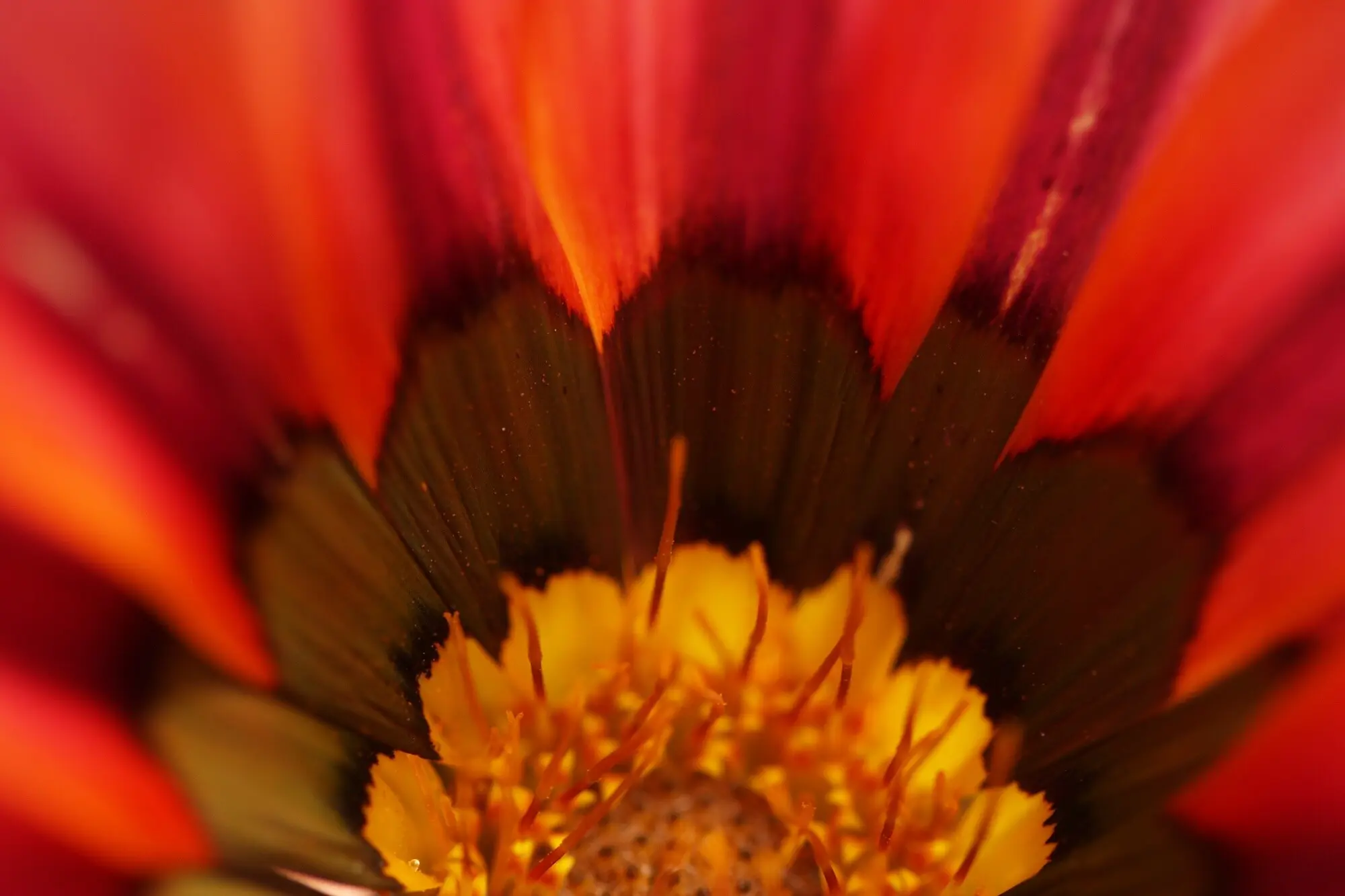
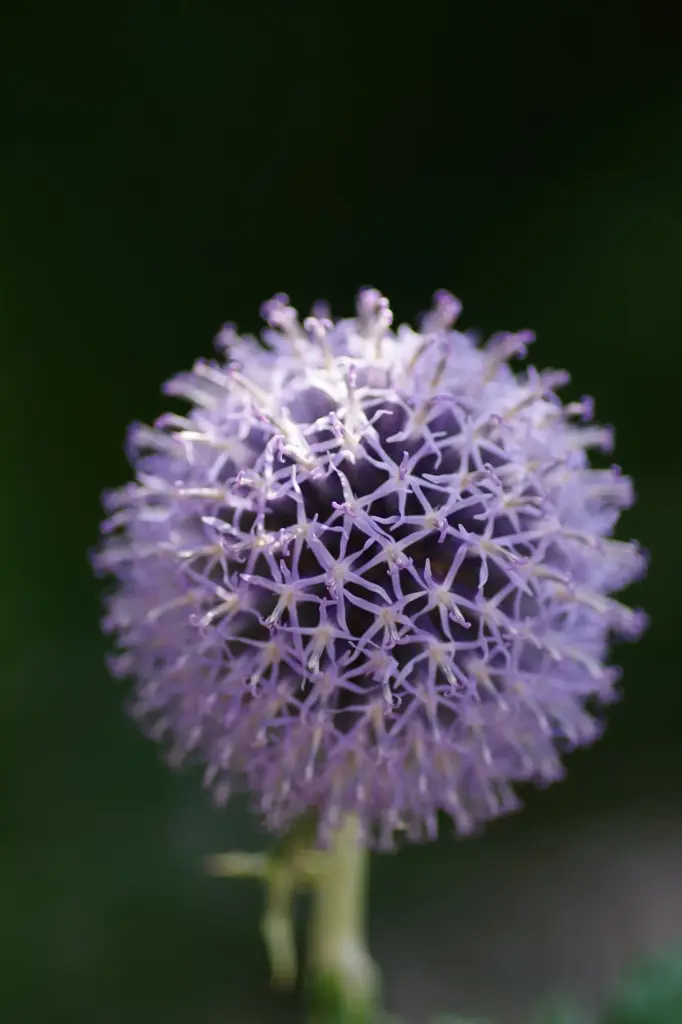
A lightweight macro or close-up filter transforms petals into landscapes of their own, with stamens rising like ridgelines. Overcast mornings ease highlights, and a small reflector brightens shadows without heavy gear. Seek repetition in leaf patterns, pairing them with contrasting bark or gravel. Shoot from seated height to find tranquil planes away from distractions. Frame labels subtly for archival context, or exclude them for painterly abstraction. The garden’s curation ensures endless variety within short, accessible distances, encouraging sustained, joyful exploration.
Rest, facilities, and mindful pacing
Accessible toilets, ramps, and considerate staff make longer visits comfortable, while on-site cafés provide welcome pauses between sets. Hydrate, stretch hands gently, and swap to a lighter lens if fatigue creeps in. Save a bench near your favorite border for golden hour, when blooms glow and insects linger. If crowds gather, detour to quieter beds and return later; the looped layout supports patient revisiting. Share a small gallery afterward, inviting others to compare palettes across seasons and favorite, restful vantage points.

All Rights Reserved.