Step Off the Train and Into Wild Beauty

Welcome aboard a journey dedicated to Train-Stop Nature Photo Walks in Britain, where you step from platform to path and discover coastlines, moors, woodlands, and canals within strolling distance of stations, capturing light, wildlife, and local stories while traveling sustainably and creatively without needing a car at all.

Plan Like a Pro, Arrive Ready to Wander

Turning rail timetables into golden-hour opportunities starts with intentional planning. Pair departure options with sunrise and sunset windows, trace footpaths from station exits, and respect local access guidance. Thoughtful preparation unlocks spontaneous freedom, letting you explore safely, photograph confidently, and still make that relaxed return train without rushing or missing memorable moments.

Reading Platforms, Paths, and Contours

Open Ordnance Survey maps before you travel and mark station exits, stiles, and permissive paths that flow into nearby greenspaces. Note gradients, rivers, and woodland edges to anticipate compositions. This small investment minimizes backtracking and maximizes time with light, views, and wildlife while ensuring you navigate kindly through farmland and village lanes.

Matching Trains to Golden and Blue Hours

Check first and last trains, then align arrivals with civil twilight to capture calm streets, dew-laden meadows, and reflective water. Build buffers for delayed services and lingering clouds. When schedules, weather, and patience converge, ordinary platforms become launching pads for extraordinary color, quiet silhouettes, and gently glowing horizons worth lingering over.

Weather Windows, Tide Tables, and Plan B

Use the Met Office, tide forecasts, and rain radar to adjust direction or timing on the fly. A shifting front might favor moorland drama over coastal haze. Carry an alternate loop returning to the same station, prioritizing safety, flexibility, and the freedom to pivot without losing your creative momentum or daylight.

Pack Light, Shoot Big

Every ounce matters when stepping from carriage to countryside. Choose compact gear that punches above its weight, protect it from drizzle and spray, and keep movement nimble across stiles, shingle, and peat. A lighter backpack means steadier hands, clearer decisions, and energy that stays focused on timing, storytelling, and respecting fragile places.

Journeys You Can Start the Moment the Doors Slide Open

Britain’s rail network connects humble halts and busy hubs to astonishing scenery within minutes on foot. Whether stepping toward chalk cliffs, tidal marshes, peat bogs, or wind-bent woods, you can craft meaningful images between arrivals and departures, then return satisfied, warmed by tea, and already imagining tomorrow’s quietly ambitious wander along new byways.

Seasons, Songs, and Respectful Distances
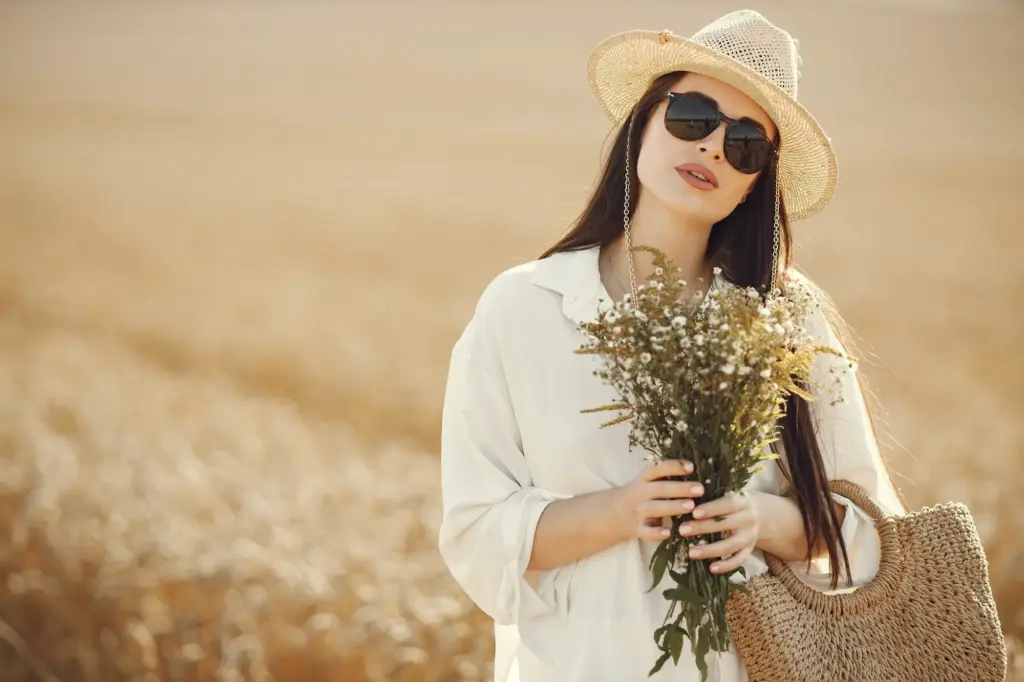
Spring brings skylarks, lapwings, and protective parents; summer hides fawns in tall grass; autumn welcomes migrating flocks; winter concentrates life around shelter and food. Use longer lenses, avoid playback, and crouch low, letting wildlife choose proximity. Memorable frames arrive when patience, wind direction, and soft footfalls make you part of the background.

Countryside Code in Practice for Photographers

Close gates, keep dogs under control, stick to marked rights of way, and leave no trace. Step aside on narrow trods, thank farmers, and avoid trampling field margins. Pack out snack wrappers and lens wipes. Courtesy safeguards access, builds community goodwill, and ensures tomorrow’s shots remain possible for everyone stepping from the same trains.

Leading Lines from Rails to Ridges

Borrow geometry from platforms, fences, and pathways to guide eyes toward headlands or summits. Low angles reveal converging lines and layered horizons. Trackside repetition echoes in wave-sculpted chalk or moorland walls, creating visual rhymes that connect departure to destination. When foregrounds sing, backgrounds deepen, and the story flows naturally through your set.

Weather, Texture, and the Patience to Wait

Hold position when clouds hesitate or wind turns. Mist, spindrift, and drizzle transform ordinary frames, stitching mood into surfaces and light. Patience beats frantic walking; one well-chosen overlook can deliver changing drama as fronts pass, revealing luminous shafts, brooding shadows, and tiny figures cresting hills that complete your narrative with scale.

People, Scale, and the Poetry of Small Details

Include companions, distant walkers, or a solitary hiker in a red jacket to anchor immense spaces. Balance this with tactile close-ups—lichen on sleepers, rain beading on a jacket cuff, sand ripples beneath boots. These counterpoints humanize grandeur, lending intimacy and memory to galleries that viewers revisit long after scrolling elsewhere.


Share, Learn, Return

Your experiences help others travel more thoughtfully. Post route notes, accessibility tips, and train timings alongside images. Celebrate honest near-misses as well as triumphs. When we exchange knowledge freely, we elevate safety, stewardship, and storytelling, ensuring these walks stay welcoming, resilient, and vibrant for photographers discovering them next weekend or next decade.
Sanolentotelidarizuno
Privacy Overview

This website uses cookies so that we can provide you with the best user experience possible. Cookie information is stored in your browser and performs functions such as recognising you when you return to our website and helping our team to understand which sections of the website you find most interesting and useful.